The Evidence Against Soy
By Dr. Mercola
 Dow Chemical and DuPont, the same corporations that brought misery and death to millions around the world through Agent Orange, are now the driving forces behind the promotion of soy as a food for humans. They are financing anti-meat and anti-milk campaigns aimed largely at those concerned about animal welfare and the environment, trying to convince them that imitations such as "soymilk" are not only healthier than the real thing, but better for the earth too.
 There is no evidence that consuming soy products can improve health, reduce environmental degradation or slow global warming. In fact, the evidence suggests quite the opposite.
The studies below regarding the effects of soy on health are eye-opening, particularly the review by the American Heart Association -- which no longer supports the health claims about soy endorsed by the U.S. government.
Overall risks and benefits of soy assessed
Latest review by American Heart Association
Soy inhibits iron absorption
Poor iron bioavailability
Poor calcium bioavailability
Calcium and zinc absorbed better from milk than from soy -- even without phytates
Soy provides no benefits with respect to heart disease risk
Soy causes bladder cancer
Soy isoflavones during pregnancy increase breast cancer risk in female offspring
High levels of cadmium in soy formula
Soy linked to peanut allergy and increased risk for asthma
Whole milk vs. soy beverage -- asthma risk
Persistent sexual arousal syndrome associated with increased soy intake
Genistein: Does it prevent or promote breast cancer?
Dr. Mercola's Comments: |
Now, I’m not against all forms of soy. Properly fermented products like natto and tempeh have been consumed for centuries and do not wreak havoc in your body like unfermented soy products do. For example, the enzyme nattokinase—derived from natto--is a safer, more powerful option than aspirin to dissolve blood clots, and has been used safely for more than two decades.
Unfortunately, many Americans still believe that unfermented and processed soy products like soy milk, soy cheese, soy burgers and soy ice cream are good for them.

85 Percent of Consumers Believe the Lies About Soy
The rise of soy as a health food is in large part due to highly successful marketing to otherwise health conscious Americans who set the trend. According to the survey Consumer Attitudes About Nutrition 2008 (by the United Soybean Board), 85 percent of consumers now perceive soy products as healthy.
The survey also found that consumers:
- rank soybean oil among the top three healthy oils, with 70 percent recognizing soy oil as a healthy oil, and
- depend on soybean oil, commonly sold as vegetable oil, as one of their two most frequent cooking oils
Ever since the U.S. Food and Drug Administration approved a health claim for soy foods in 1999 (which said diets low in saturated fat and cholesterol that include 25 grams of soy protein a day may reduce the risk of heart disease), soy sales have skyrocketed. In the years between 2000 and 2007, food manufacturers in the U.S. introduced over 2,700 new foods with soy as an ingredient, including 161 new products introduced in 2007 alone.
This has resulted in a booming multi-billion dollar business. From 1992 to 2007, soy food sales increased from a paltry $300 million to nearly $4 billion, according to the Soyfoods Association of North America.
However, the Weston A. Price Foundation, a nonprofit nutrition education foundation, submitted a petition to the Food and Drug Administration (FDA) in January of this year, asking them to retract its heart-health claim from soy in light of the inconsistent and contradictory evidence showing benefits, and its many proven health risks.
What’s So Wrong With Soy?
Unlike the Asian culture, where people eat small amounts of whole soybean products, western food processors separate the soybean into two golden commodities--protein and oil. And there is nothing natural or safe about these products.
Says Dr. Kaayla Daniel, author of The Whole Soy Story,
“Today's high-tech processing methods not only fail to remove the anti-nutrients and toxins that are naturally present in soybeans but leave toxic and carcinogenic residues created by the high temperatures, high pressure, alkali and acid baths and petroleum solvents."
Dr. Daniel also points out the findings of numerous studies reviewed by her and other colleagues -- that soy does not reliably lower cholesterol, and in fact raises homocysteine levels in many people, which has been found to increase your risk of stroke, birth defects, and yes: heart disease.
Other common health problems linked to a high-soy diet include:
- Thyroid problems, including weight gain, lethargy, malaise, fatigue, hair loss, and loss of libido
- Premature puberty and other developmental problems in babies, children and adolescents
Most soy, perhaps about 80 percent or more, is also genetically modified, which adds its own batch of health concerns.
- Phytoestrogens (isoflavones) genistein and daidzein, which mimic and sometimes block the hormone estrogen
- Phytates, which block your body's uptake of minerals
- Enzyme Inhibitors, which hinder protein digestion
- Hemaggluttin, which causes red blood cells to clump together and inhibits oxygen take-up and growth
- High amounts of omega-6 fat, which is pro-inflammatory
You’re Consuming Soy Whether You’re Buying “Soy Products” or Not
Even if you know better than to gulp down large amounts of soy milk, slabs of tofu, and other soy snacks, you are still consuming soy if you’re eating processed food, in the form of soybean oil and lecithin. So depending on your dietary habits, your (unfermented) soy consumption could really add up.
In fact, Dr. Joseph Hibbeln at the National Institutes of Health told CNN.com he estimates that soybeans, usually in the form of oil, account for 10 percent of the average person’s total calories in the United States! When you consider that 90 percent of the money Americans spend on food goes toward processed food, this amount of “accidental” soy intake is not surprising.
As a side note, I’d like to make a quick statement here to address some of my readers’ concerns about my reduced CoQ 10 supplement, ubiquinol, which also contain soy bean oil.
Unfortunately, the reduced CoQ 10 (ubiquinol) – which is the optimal form of CoQ 10 that your body needs, especially if you’re over 25 – is only produced by a multi-billion dollar Japanese pharmaceutical company that holds ALL the world patents on it. Hence, there’s no way to replace the soy, even though that would have been my preference.
However, as in all things, moderation is key. If I thought there were ANY significant health risks from consuming this small amount of soy oil, then I would not personally take two a day – which I do. I do however avoid all processed forms of soy products, and severely limit my intake of other unfermented soy, which is easy to do by simply avoiding processed and “fast” foods.
Which Soy Foods Should be Avoided … and How do You Avoid Them?
Because soy is so pervasive in the U.S. food supply, avoiding it is not an easy task.
The best way to completely avoid soy in the food supply is to buy whole foods and prepare them yourself. This may also be your only option if you’ve developed a soy allergy and need to eliminate soy from your diet entirely.
If you still prefer to buy readymade and packaged products, for whatever reason, Dr. Daniel offers a free Special Report, "Where the Soys Are," on her Web site. It lists the many "aliases" that soy might be hiding under in ingredient lists -- words like "boullion," "natural flavor" and "textured plant protein."
Which Soy Foods DO Have Health Benefits?
The few types of soy that ARE healthy are all fermented varieties. After a long fermentation process, the phytic acid and antinutrient levels of the soybeans are reduced, and their beneficial properties -- such as the creation of natural probiotics -- become available to your digestive system.
The fermentation process also greatly reduces the levels of dangerous isoflavones, which are similar to estrogen in their chemical structure, and can interfere with the action of your own estrogen production.
So if you want to eat soy that is actually good for you, following are all healthy options:
1. Natto, fermented soybeans with a sticky texture and strong, cheese-like flavor. It's loaded with nattokinase, a very powerful blood thinner. Natto is actually a food I eat regularly, as it is the highest source of vitamin K2 on the planet and has a very powerful beneficial bacteria, bacillus subtilis. It can usually be found in any Asian grocery store.
2. Tempeh, a fermented soybean cake with a firm texture and nutty, mushroom-like flavor.
3. Miso, a fermented soybean paste with a salty, buttery texture (commonly used in miso soup).
4. Soy sauce: traditionally, soy sauce is made by fermenting soybeans, salt and enzymes, however be wary because many varieties on the market are made artificially using a chemical process.
This "Miracle Health Food" Has Been Linked to Brain Damage and Breast Cancer
How Did Soy Foods Become So Popular?
From 1992 to 2006, soy food sales increased from $300 million to nearly $4 billion, practically overnight, according to the Soyfoods Association of North America. This growth came about due to a massive shift in attitudes about soy. And this shift was no accident—it was the result of a massive investment in advertising by the soy industry that’s been wildly successful.
Soy is indeed big business, very big business.
From 2000 to 2007, U.S. food manufacturers introduced more than 2,700 new soy-based foods, and new soy products continue to appear on your grocer’s shelves.
According to the survey Consumer Attitudes About Nutrition 2008 (by the United Soybean Board):
- As of 2007, 85 percent of consumers perceive soy products as healthful
- 33 percent of Americans eat soy foods or beverages at least once a month
- 70 percent of consumers believe soybean oil is good for them
- 84 percent of consumers agree with the FDA’s claim that consuming 25 grams of soy protein daily reduces your risk of heart disease
As you can see from the extensive list of articles below, there is a large amount of scientific research showing that soy is not the nutritional panacea of the 21st Century.

The Dark Side of Soy
The vast majority of soy at your local market is not a health food. The exception is fermented soy, which I’ll explain more about later and even worse GMO soy that is contaminated with large pesticide residues as the reason it is GMO is so they can spray the potent toxic herbicide Roundup on them to improve crop production by killing the weeds.
Unlike the Asian culture, where people eat small amounts of whole non-GMO soybean products, western food processors separate the soybean into two golden commodities—protein and oil. And there is nothing natural or safe about these products.
Dr. Kaayla Daniel, author of The Whole Soy Story, points out thousands of studies linking soy to malnutrition, digestive distress, immune-system breakdown, thyroid dysfunction, cognitive decline, reproductive disorders and infertility—even cancer and heart disease.
Here is just a sampling of the health effects that have been linked to soy consumption:
But said enthusiasts never mention the studies that illuminate soy’s downside and all of the dangers posed to your health, which are based on sound research.
Another unfortunate fact is that 80 percent of the world’s soy is used in farm animal feed, which is why soy production is contributing to deforestation. Some soy propagandists have suggested that the solution to this is for all of us to become vegetarians—a reckless recommendation rooted in total ignorance about nutrition—whereas a far better solution is a major overhaul in how farm animals are fed and raised.
What Makes Soy Such a Risky Food to Eat?
1. 91 percent of soy grown in the US is genetically modified (GM). The genetic modification is done to impart resistance to the toxic herbicide Roundup. While this is meant to increase farming efficiency and provide you with less expensive soy, the downside is that your soy is loaded with this toxic pesticide. The plants also contain genes from bacteria that produce a protein that has never been part of the human food supply.
GM soy has been linked to an increase in allergies. Disturbingly, the only published human feeding study on GM foods ever conducted verified that the gene inserted into GM soy transfers into the DNA of our gut bacteria and continues to function. This means that years after you stop eating GM soy, you may still have a potentially allergenic protein continuously being produced in your intestines.
Even more frightening is the potential for GM soy to cause infertility in future generations, which has been evidenced by recent Russian research.
2. Soy contains natural toxins known as “anti-nutrients.”
Soy foods contain anti-nutritional factors such as saponins, soyatoxin, phytates, protease inhibitors, oxalates, goitrogens and estrogens. Some of these factors interfere with the enzymes you need to digest protein. While a small amount of anti-nutrients would not likely cause a problem, the amount of soy that many Americans are now eating is extremely high.
3. Soy contains hemagglutinin.
Hemagglutinin is a clot-promoting substance that causes your red blood cells to clump together. These clumped cells are unable to properly absorb and distribute oxygen to your tissues.
4. Soy contains goitrogens
Goitrogens are substances that block the synthesis of thyroid hormones and interfere with iodine metabolism, thereby interfering with your thyroid function.
5. Soy contains phytates.
Phytates (phytic acid) bind to metal ions, preventing the absorption of certain minerals, including calcium, magnesium, iron, and zinc -- all of which are co-factors for optimal biochemistry in your body. This is particularly problematic for vegetarians, because eating meat reduces the mineral-blocking effects of these phytates (so it is helpful—if you do eat soy—to also eat meat).
6. Soy is loaded with the isoflavones genistein and daidzein
Isoflavones are a type of phytoestrogen, which is a plant compound resembling human estrogen. These compounds mimic and sometimes block the hormone estrogen, and have been found to have adverse effects on various human tissues. Soy phytoestrogens are known to disrupt endocrine function, may cause infertility, and may promote breast cancer in women.
Drinking even two glasses of soymilk daily for one month provides enough of these compounds to alter your menstrual cycle. Although the FDA regulates estrogen-containing products, no warnings exist on soy.
7. Soy has toxic levels of aluminum and manganese
Soybeans are processed (by acid washing) in aluminum tanks, which can leach high levels of aluminum into the final soy product. Soy formula has up to 80 times higher manganese than is found in human breast milk.
8. Soy infant formula puts your baby’s health at risk.
Nearly 20 percent of U.S. infants are now fed soy formula, but the estrogens in soy can irreversibly harm your baby’s sexual development and reproductive health. Infants fed soy formula take in an estimated five birth control pills’ worth of estrogen every day.
Infants fed soy formula have up to 20,000 times the amount of estrogen in circulation as those fed other formulas!
Soy foods are both heavily sprayed with pesticides and genetically modified (GM). More than 80 percent of the soy grown in the United States is GM. And more than 90 percent of American soy crops are GM.
Since the introduction of GM foods in 1996, we’ve had an upsurge in low birth weight babies, infertility, and other problems in the U.S. population, and animal studies thus far have shown devastating effects from consuming GM soy.
You may want to steer clear of soy products for no other reason than a commitment to avoiding GM foods... unless you wish to be a lab animal for this massive uncontrolled experiment by the biotech industry.
What Soy Products are Good For You?
I want to be clear that I am not opposed to all soy. Soy can be incredibly healthful, but ONLY if it is organic and properly fermented.
After a long fermentation process, the phytate and “anti-nutrient” levels of soybeans are reduced, and their beneficial properties become available to your digestive system.
You may have heard that Japanese people live longer and have lower rates of cancer than Americans because they eat so much soy—but it’s primarily fermented soy that they consume, and it’s always been that way.
Fermented soy products are the only ones I recommend consuming.
These are the primary fermented soy products you’ll find:
- Tempeh a fermented soybean cake with a firm texture and nutty, mushroom-like flavor.
- Miso, a fermented soybean paste with a salty, buttery texture (commonly used in miso soup).
- Natto, fermented soybeans with a sticky texture and strong, cheese-like flavor.
- Soy sauce, which is traditionally made by fermenting soybeans, salt and enzymes; be wary because many varieties on the market today are made artificially using a chemical process.
Vitamin K2: One of the Major Benefits of Fermented Soy
One of the main benefits of fermented soy, especially natto, is that it is the best food source of vitamin K2. Vitamin K2 is essential to preventing osteoporosis, cardiovascular disease, and diseases of the brain such as dementia, and protecting you from various cancers including prostate, lung, liver cancer and leukemia.
Vitamin K acts synergistically with vitamin D to keep you healthy.
Vitamin K is sometimes referred to as the “forgotten vitamin” because its benefits are often overlooked. It was named after the word “Koagulation,” to reflect its essential role in blood clotting. In fact, the enzyme nattokinase—derived from natto—is safer and more powerful than aspirin in dissolving blood clots, and has been used safely for more than 20 years.
If you enjoy natto or some of the other fermented soy foods, you can get several milligrams of vitamin K2 from them each day (this level far exceeds the amount of vitamin K2 found even in dark green vegetables).
Unfortunately, the health benefits of many of the fermented soy foods fall by the wayside because many Americans do not enjoy their flavor.
If you don’t want to consume natto to get your vitamin K2, the next best thing would be to get use supplemental Vitamin K2 (MK-7). Remember, vitamin K must be taken with a source of fat in order to be absorbed.
I suggest adults consume about 150 mcg of vitamin K2 daily.
Tips for Avoiding Unwanted Soy Foods
Soy foods to avoid include:
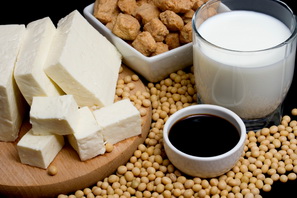
Tofu
TVP (texturized vegetable protein) or soy protein isolate, which contains a large amount of msg, which you should definitely not consume
- Soy cheese, soy ice cream, soy yogurt
- Soy “meat” (meatless products made of TVP)
- Soy protein
- Edamame
- Soy infant formula
If you do buy packaged foods, you can check the label to see if it contains soy. The Food Allergen Labeling and Consumer Protection Act, which took effect in January 2006, requires that food manufacturers list soy on the label, because it’s one of the top eight food allergens.
So, even if soy is hidden in colors, flavors, or spice blends added to foods, it must be clearly stated on the label.
One other common source of soy is lecithin which is used as a emulsifier in many foods and supplements. Most lecithin in the US is derived from soy but there are some newer products that extract it from organic sunflower. We switched over to the organic sunflower lecithin a few years ago in all of our products.
If you wish to know more about soy, I have provided a list of links below to the many articles I’ve posted over the years on this subject. Remember, the only way to avoid falling victim to shrewd marketing and misinformation is to become knowledgeable about what the research actually says, and this is often different from what is commonly passed around as “fact.”

Soy is NOT a Health Food
- ABC News does special on soy Friday. (Special on 20/20 about dangers of soy)
The Danger of Soy for Infants, Children and Pregnant Women
How Soy Infant Formulas Can Devastate Your Child’s Health
Government and Agribusiness Shenanigans
Soy and Your Reproductive System
Soy and Your Thyroid
Soy and Your Brain
Soy and Your Heart
Soy and Your Kidneys
Soy and Cancer Risk
Soy and Allergies
Other Soy Issues
From Doctor Mercola @ http://articles.mercola.com/sites/articles/archive/2008/10/07/the-evidence-against-soy.aspx and http://articles.mercola.com/sites/articles/archive/2010/09/18/soy-can-damage-your-health.aspx
Visit the Mercola Video Library
Please Help Keep This Unique Site Online
Donate any amount and receive at least one New Illuminati eBook!
Xtra Images – http://a1.sphotos.ak.fbcdn.net/hphotos-ak-snc7/313205_218972571503241_187956887938143_597073_2068596511_n.jpg
http://www.thetinylife.com/wp-content/uploads/2010/06/soybeans7.jpg
http://healthfreedoms.org/files/2011/07/genetically_modified_gmo_warning_label_sticker-d217281143599402205836x_325.jpg
http://www.thetinylife.com/wp-content/uploads/2010/06/soybeans7.jpg
http://healthfreedoms.org/files/2011/07/genetically_modified_gmo_warning_label_sticker-d217281143599402205836x_325.jpg
For further enlightening information enter a word or phrase into the search box @ New Illuminati or click on any label/tag at the bottom of the page @ http://nexusilluminati.blogspot.com
And see
New Illuminati – http://nexusilluminati.blogspot.com
New Illuminati on Facebook - http://www.facebook.com/pages/New-Illuminati/320674219559
New Illuminati Youtube Channel - http://www.youtube.com/user/newilluminati/feed
The Her(m)etic Hermit - http://hermetic.blog.com
This material is published under Creative Commons Fair Use Copyright (unless an individual item is declared otherwise by copyright holder) – reproduction for non-profit use is permitted & encouraged, if you give attribution to the work & author - and please include a (preferably active) link to the original along with this notice. Feel free to make non-commercial hard (printed) or software copies or mirror sites - you never know how long something will stay glued to the web – but remember attribution! If you like what you see, please send a tiny donation or leave a comment – and thanks for reading this far…
From the New Illuminati – http://nexusilluminati.blogspot.com