"All the World's a Stage We Pass Through" R. Ayana

Showing posts with label soil. Show all posts

Saturday, 10 September 2016

Cannabis Can Decontaminate the Planet


Cannabis Can Decontaminate the Planet
Hemp and the Decontamination of Radioactive Soil
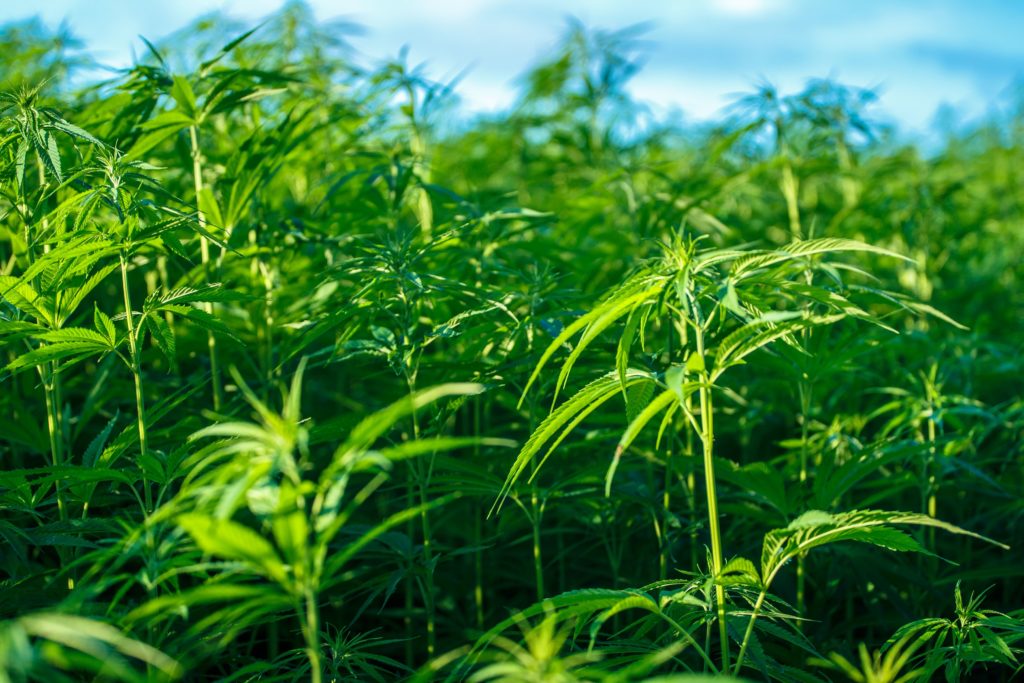
Hemp and the Decontamination of Radioactive Soil


by Seshata


Hemp science is now advancing in leaps and bounds compared to the stagnation of the previous few decades. One significant area of research that is currently receiving particular attention is phytoremediation, or decontamination of soil—although the discovery that hemp leaches contaminants from soil has been known for some time.


The Chernobyl phytoremediation project


For over a decade, industrial hemp growing in the environs of the abandoned Chernobyl nuclear power plant in Pripyat, Ukraine has been helping to reduce soil toxicity. Now, the Japanese are considering following the same course in order to rectify the environmental damage caused by the Fukushima meltdown—however, due to the Cannabis Control Law forced into Japanese law by the occupying U.S. powers in 1948, hemp may only be grown under license—which are highly restricted and difficult to obtain.

In 1989, just three years after the initial explosion, the Soviet administration of the time requested that the International Atomic Energy Agency (IAEA) assess the environmental situation. In the 30km exclusion zone surrounding Chernobyl, high concentrations of various toxic metals including iodine, cesium-137, strontium-90 and plutonium were found in the soil, as well as in plants and animals themselves.
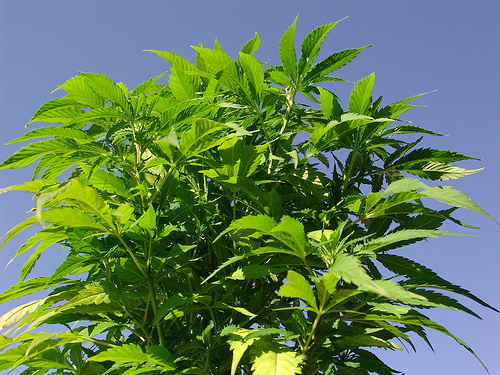


Hemp has been found to absorb heavy metals from soil at a very high rate

Hemp has been found to absorb heavy metals from soil at a very high rate


Which Plants are Useful in Phytoremediation?


In response, it was decided that a concerted effort to reduce soil contamination through the use of beneficial plants would be undertaken. This process, known as phytoremediation, began immediately, and used various plants to take up specific contaminants—two brassica varieties to remove chromium, lead, copper and nickel, maize to take up lead (various researchers have demonstrated the remarkable lead-uptake capability of this important crop), and more recently, sunflower and hemp.

Sunflower plantings began in 1996 subsequent to the development of a variety that promised hitherto unheard-of efficiency of decontamination; hemp plantings soon followed, in 1998. Slavik Dushenkov, a research scientist with Phytotech, one of the organisations behind the hemp plantings, stated that “hemp is proving to be one of the best phyto-remediative plants we have been able to find”.

As well as in the Ukraine, much rural land in neighbouring Belarus was affected by the explosion, and authorities there are also pursuing the use of hemp as a decontaminant. The harvest produced will be turned into ethanol, as increased production of biofuel is a key target for increasing the overall economic and environmental health of the region.
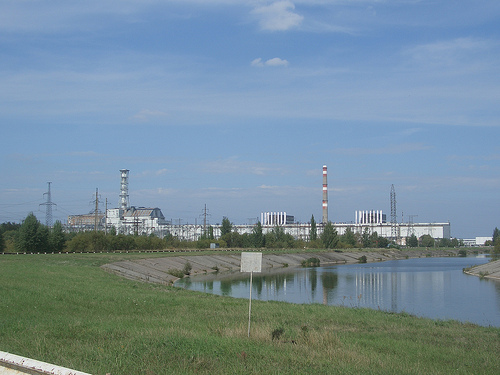


The Chernobyl exclusion zone, site of the world's worst nuclear disaster, is slowly being returned to health as plants and animals begin to reclaim the land

The Chernobyl exclusion zone, site of the world’s worst nuclear disaster, is slowly being returned to health as plants and animals begin to reclaim the land


Differences in Metal Uptake From Soil


In 2012, a Romanian study investigated the nutritional safety of hemp seed produced from plants grown in soils rich in calcium, magnesium, potassium and iron. The study determined that five distinct Romanian hemp strains developed different nutritional profiles according to uptake of the various metals in the soil. For example, the Zenit strain exhibited highest rates of calcium uptake, while the Armanca absorbed least calcium; the Diana, Denise and Silvana strains absorbed magnesium at the highest rates, and the Zenit variety showed the highest concentrations of iron.

Despite the differences, the seeds and oil of all five strains exhibited high levels of magnesium, calcium, iron, manganese, zinc and potassium, all highly beneficial dietary metals. However, all varieties also tested above the safe legal limit for cadmium, a toxic heavy metal that may cause various health complications—despite the soil being within the safe limit for cadmium concentration. The Armanca and Silvana strains showed particularly high cadmium levels.


Hemp and Cadmium Absorption


Excessive consumption of foodstuffs high in cadmium can lead to joint and bone deformities, respiratory illness, anaemia, and kidney failure. In areas where cadmium is present in the soil, in order to be safe for human or animal consumption, hemp varieties should be selected on the basis of poor cadmium uptake.

According to a study into Chinese hemp strains conducted in 2011, many hemp strains have the ability to absorb and accumulate even large quantities of cadmium in soil without detriment to the plant itself. While this does throw up various implications for selection of sites for cultivation of food-safe hemp, it also indicates that cadmium-contaminated sites will particularly benefit from phytoremediation schemes that make primary or exclusive use of hemp. Furthermore, even if hemp used to decontaminate soil is unsafe for consumption, it can still be used in a number of industrial applications, such as for biofuel.
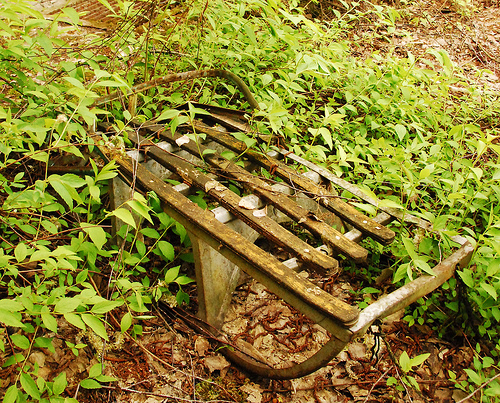
  As vegetation slowly reclaims formerly inhabited areas, adding species known to be effective extractors of soil-based heavy metals can aid in ecosystem rejuvenation

As vegetation slowly reclaims formerly inhabited areas, adding species known to be effective extractors of soil-based heavy metals can aid in ecosystem rejuvenation


Hemp is Mostly Unaffected by Heavy Metals in Soil


Hemp’s resilience to contaminants in soil is well-documented. Even as early as 1975, a study published in the Agronomy Journal described how soil characteristics influenced elemental uptake and could even affect final cannabinoid profile in psychoactive strains. To illustrate this, fifteen sites with varying soil profiles were planted with the same strain of Afghan cannabis, and their harvests tested for metal content. Researchers concluded that differences could be used to determine geographic origin of cannabis through foliar analysis.

In 1995, the Polish Institute of Natural Fibres released a study demonstrating that tested varieties were able to withstand high levels of heavy metals in soil without impacting plant growth, yield or fibre quality. However, little research has been done into the safety of using fibres in clothing or other forms of industry, and this issue must be investigated fully in order to establish the possible uses for hemp grown in such conditions.

As a proven, valuable tool in the fight to repair human-inflicted damage to our soils and ecosystems, hemp could potentially benefit hundreds of thousands of sites across the globe—it is estimated that in the USA alone there are 30,000 sites requiring remediation. As is so often the case, US restrictions on hemp cultivation preclude any large-scale operations from being implemented, and the contaminated sites are largely left unremediated, through lack of both funding and interest on the part of the government.


Hemp is Being Used to Decontaminate Europe's Largest Steel Plant Site


Are we ready to fully legalize hemp?


Hemp is one of the most versatile plants on earth. I once heard a statistic that hemp can be used to make up to 25,000 different things. I didn't personally see the list, so I don't know the accuracy of that claim, but I think it's safe to say that hemp is amazing.

The hemp plant can be used to make hempcrete, which is a substance that can be used to build houses and other structures. Hemp can be used to make food, paper, and fiber. Hemp has even been used to make car parts.


Hemp used as a decontaminate


Hemp is very efficient at pulling heavy metals from soil. It's what helps it grow so hearty and so quickly. Trees take decades to harvest, whereas hemp only takes months.

Because of hemp's ability to pull metals from the soil, it can be used very effectively to clean up areas that are contaminated. One town in Italy (Taranto) is using hemp to clean up a contaminated area that has housed Europe's largest steel plant for a long time.

The steel plant, which opened in 1965, has ravaged the local ecosystem, pumping toxic levels of contaminants into the ground. It is estimated that from 2005-2012 alone, upwards of 11,000 local residents died as a result of health issues directly related to the steel plant.

“A long time ago, a choice was made to sacrifice this part of Italy, jeopardizing the health of the citizens of Taranto and its community and the biodiversity of the two seas,” said politician Domenico Finiguerra, according to Slate. “It was decided to sacrifice this land in the name of Italy’s economic future, supplying its industry with all the steel it needed.”

Hemp has been cultivated near the site of the steel plant for the last five years, with production increasing from 3 hectares to 300. About 100 farmers grow hemp, with the harvest being sold to manufacturers to be made into various products.


Hemp works, so why isn't its use more widespread?


Taranto, Italy is not the first time that hemp has been used to decontaminate the soil. For many centuries hemp was used as a rotation crop because it essentially flushed out the soil so it could be better conditioned for other crops.

Hemp was planted at the site of the nuclear meltdown at Chernobyl, along with various other plants such as sunflower plants. Hemp has consistently proven to be the best plant at decontaminating the soil it is planted in because of hemp's tremendous uptake ability.

Unfortunately, the reason why hemp isn't used more often is entirely for political reasons. It's certainly not for scientific reasons. Hemp is non-toxic. According to an estimate from the movie Hempstersa person would have to smoke a joint the size of a telephone pole in order to feel euphoria from hemp. To overdose on it is humanly impossible.

The fact of the matter is that opponents have fought hemp legalization at all costs because of the plant's versatility, and the likely dramatic affect reform would have on many industries. It's not coincidence that many of the same people that have historically opposed hemp also come from industries that hemp reform would directly affect.

It's a shame too, because science is clearly on the side of hemp reform. I don't know that I would go as far as some people and claim that hemp will save the world, but I do feel confident in saying that hemp could go a long ways in helping improve the world in many ways.


For more information about hemp see http://nexusilluminati.blogspot.com/search/label/hemp  
- Scroll down through ‘Older Posts’ at the end of each section


Do you LIKE this uniquely informative site?
Hours of effort by a genuinely incapacitated invalid are required every day to maintain, write, edit, research, illustrate, moderate and publish this website from a tiny cabin in a remote forest.
Now that most people use ad blockers and view these posts on phones and other mobile devices, sites like this earn an ever shrinking pittance from advertising sponsorship. This site needs your help.
Like what you see? Please give anything you can -  
Contribute any amount and receive at least one New Illuminati eBook!
(You can use a card securely if you don’t use Paypal)
Please click below -


And it costs nothing to share this post on Social Media!
Dare to care and share - YOU are our only advertisement!


For further enlightening information enter a word or phrase into the random synchronistic search box @ the top left of http://nexusilluminati.blogspot.com


And see


 New Illuminati on Facebook - https://www.facebook.com/the.new.illuminati

New Illuminati Youtube Channel -  https://www.youtube.com/user/newilluminati/playlists

New Illuminati’s OWN Youtube Videos -  
New Illuminati on Google+ @ For New Illuminati posts - https://plus.google.com/u/0/+RamAyana0/posts

New Illuminati on Twitter @ www.twitter.com/new_illuminati


New Illuminations –Art(icles) by R. Ayana @ http://newilluminations.blogspot.com

The Her(m)etic Hermit - http://hermetic.blog.com


DISGRUNTLED SITE ADMINS PLEASE NOTE –
We provide a live link to your original material on your site (and links via social networking services) - which raises your ranking on search engines and helps spread your info further!

This site is published under Creative Commons (Attribution) CopyRIGHT (unless an individual article or other item is declared otherwise by the copyright holder). Reproduction for non-profit use is permitted & encouraged - if you give attribution to the work & author and include all links in the original (along with this or a similar notice).

Feel free to make non-commercial hard (printed) or software copies or mirror sites - you never know how long something will stay glued to the web – but remember attribution!

If you like what you see, please send a donation (no amount is too small or too large) or leave a comment – and thanks for reading this far…

Live long and prosper! Together we can create the best of all possible worlds…


From the New Illuminati – http://nexusilluminati.blogspot.com

Tuesday, 31 May 2016

Soil Is the Solution: Saving the Earth


Soil Is the Solution
Saving the Earth

Flying Sistas Mural - photo by R. Ayana


By Dr. Mercola


It's easy to take soil for granted. That is, until you lose it. The dirt beneath your feet is arguably one of the most under-appreciated assets on the planet. Without it, life would largely cease to exist while, when at its prime, this "black gold" gives life.

In nature, plants thrive because of a symbiotic relationship with their surrounding environment, including microorganisms in the soil.

The rhizosphere is the area immediately around a plant's root. It contains microorganisms that thrive on chemicals released from the plant's roots. These chemicals, known as exudates, include carbohydrates, phytochemicals and other compounds.

In exchange for the exudates, the root microbiome supplies the plant with important metabolites for health, which, along with exposure to pests and pathogens, helps plants produce phytochemicals.

A well-fed root microbiome will also supply plants with ample nitrogen (N), phosphorus (P) and potassium (K) — the three ingredients that also make up most synthetic fertilizer (NPK).

Unfortunately, while nature's system results in handsome rewards, including more nutritious foods and less environmental pollution, modern-day farmers have largely become stuck in a cycle of dousing crops with synthetic chemicals that destroy the soil and, ultimately, the environment.


 http://media.mercola.com/ImageServer/Public/2016/May/regenerating-soil.jpg


Why Synthetic Fertilizers Are Ruining the Planet


Synthetic fertilizers make sense in theory, and they do make plants grow bigger and faster. The problem is that the plants are not necessarily healthier. In fact, they miss out on the symbiotic relationship with their root microbiome.

Because they're being supplied with NPK, the plant no longer "wastes" energy producing exudates to feed its microbiome.

Therefore, it receives fewer metabolites for health in return. The end result is plants that look good on the outside but lack minerals, phytochemicals and defenses against pests and disease on the inside.

Further, as reported by Rick Haney, a U.S. Department of Agriculture (USDA) soil scientist, less than 50 percent of synthetic fertilizers applied to crops are used by the plants. Haney told Orion Magazine:1

"Farmers are risk averse … They've borrowed a half million dollars for a crop that could die tomorrow. The last thing they want to worry about is whether they put on enough fertilizer. They always put on too much, just to be safe."

The excess fertlizer runs off into the environment, with disastrous effects. As fertilizer runs off of farms in agricultural states like Minnesota, Iowa, Illinois, Wisconsin, Missouri and others, it enters the Mississippi River, leading to an overabundance of nutrients, including nitrogen and phosphorus, in the water.

This, in turn, leads to the development of algal blooms, which alter the food chain and deplete oxygen, leading to dead zones. One of the largest dead zones worldwide can be found in the Gulf of Mexico, beginning at the Mississippi River delta.2 Fisheries in the Gulf of Mexico have been destroyed as a result.


Soil Health Campaign Educates Farmers How to Work With Nature


USDA's Natural Resources Conservation Service (NRCS) convenes sessions around the U.S. in an effort to improve soil health and teach farmers how to use less fertilizer and produce the same, and in some cases better, yields. Haney told Orion Magazine:3

"Our entire agriculture industry is based on chemical inputs, but soil is not a chemistry set … It's a biological system. We've treated it like a chemistry set because the chemistry is easier to measure than the soil biology."

While standard soil tests measure chemical properties in the soil, Haney developed a test to measure soil biology. A rich microscopic community is what Haney is after. Only this can support the fascinatingly complex process of plant growth and, at the same time, naturally cut carbon emissions by fixing carbon in the soil.

It's estimated that one-third of the surplus carbon dioxide in the atmosphere stems from poor land-management processes that contribute to the loss of carbon, as carbon dioxide, from farmlands.4 Writing in Orion Magazine, Kristin Ohlson, author of "The Soil Will Save Us," explained:5

"When we admire good soil's dark chocolate-cake sponginess and sweet smell, we're admiring the handiwork of trillions of soil microorganisms over time.

They eat carbon and expire carbon dioxide, just as we do, but they also "fix" a percentage of that carbon in the soil. Barring disturbance, it stays there for a very long time.

… Photosynthesis is the only process that safely and inexpensively removes carbon dioxide from the atmosphere, allowing carbon that is a problem in the skies to become a boon for the land.

Based on this principle, one hundred governments and nonprofits launched the 4/1000 Initiative … calling for an increase of carbon in the world's soils by 0.4 percent per year.

This relatively small boost will not only radically improve soil fertility but also, the coalition claims, halt the annual rise of atmospheric carbon dioxide."


Rainforest Gnome by R. Ayana

Three 'Game-Changing' Practices for Agriculture


Carbon farming is a simple premise that involves using agricultural methods that can naturally trap carbon dioxide in the ground (for decades, centuries or more) while also absorbing it from the air. 


The process, known as "carbon sequestration," could help mitigate greenhouse gas emissions and:
Regenerate the soil Limit agricultural water usage with no till and crop covers
Increase crop yields Reduce the need for agricultural chemicals and additives, if not eliminate such need entirely in time
Reduce atmospheric carbon dioxide levels Reduce air and water pollution by lessening the need for herbicides, pesticides, and synthetic fertilizers

A recent study published in the journal Nature further revealed that by managing soils to reduce greenhouse gases, it could lead to a wealth of "side benefits," including healthier soils and ecosystems, less fertilizer runoff and less soil erosion.6

In an interview with The Christian Science Monitor, Phil Robertson of Michigan State University explained three "game-changing" practices that could help make soils "net mitigating," meaning they capture more greenhouse gases than they emit.7

1.    No-till cultivation, in which crops are grown without plowing
2.    Advanced nitrogen fertilizer management, or applying only minimal amounts of fertilizer
3.    Cover crops

The latter strategy alone, cover crops, can virtually eliminate the need for irrigation when done right. The cover crops also act as insulation, so the soil doesn't get as hot or cold as it would if bare. This allows microbes to thrive longer.

Also, the soil biology heats up the soil, which can extend your overall growing season in colder areas, and it helps prevent soil erosion. In 2012, a Census of Agriculture report found just over 10 million acres of farmland (out of 390 million total) were being planted with cover crops, but its use is growing.

In an annual survey of farmers taken in 2014, farmers reported planting double the mean acreage in cover crops reported in 2010.8 Farmers who adopt the technique have reported better soil texture, less erosion, and increased crop yields.


Planting Winter Cover Crops May Make Farmers Money


This is key, because convincing most farmers to change their practices solely for environmental reasons isn't an easy proposition, especially if it also involves increased costs to the farmer. Robertson recommends using conservation payments, which have been in place for decades, to pay farmers to adopt more sustainable agricultural practices.

Some farmers also change their ways after seeing the success of their neighbors' farms. Farmer Doug Anson, who along with his family plants cover crops on 13,000 of their 20,000 acres of Indiana farmland, told The New York Times:9

"In the part of a field where we had planted cover crops, we were getting 20 to 25 bushels of corn more per acre than in places where no cover crops had been planted … That showed me it made financial sense to do this."

A research project that's been ongoing for two decades in Michigan, comparing crop plots using four different farming methods, has also shown promise for cover crops. The fields that received small amounts of fertilizer and were planted with winter cover crops had yields similar to conventional fields with far less nitrogen leaching.10

The U.S. government has even set up a small subsidy system to help farmers offset the costs of cover crops and other regenerative practices, but one major hurdle to cover crops becoming mainstream involves absentee land owners.

Many farmers grow crops on land they do not own but rather lease; they therefore have little incentive to want to improve soil quality on land they do not own. Landowners could, however, offer incentives to farmers to use regenerative practices that would, in turn, increase the value of their land.11


Farmers and Landowners Can Get Paid for 'Carbon Credits'


Conventional farmers have much to gain from trying out carbon-sequestration practices like planting cover crops, applying compost and not tilling; they can accumulate, and be paid for, carbon credits.

Farmers can even use the USDA's COMET-Farm online tool to find out their approximate carbon footprint, as well as experiment to see which land-management practices sequester the most carbon on their farm.12 How does it work? Modern Farmer explained:13

"Land-based carbon sequestration is measured in metric tons per hectare (2.5 acres); one metric ton earns one carbon credit, making the math easy. In California — the only state in the US with a full-fledged cap-and-trade program — the current value of a carbon credit is around $12 to $13. (Farmers in other states, by the way, are eligible to earn credits through the California carbon market.)

Alberta, which has the most robust carbon market in Canada and rewards several agricultural practices with carbon credits, raised the price of carbon credits from $15 to $20 on January 1, 2016; in 2017, the price will go up to $30 per credit."

Unfortunately, the way the system is currently set up, farmers already using beneficial conservation practices are not eligible for carbon credits. Only those switching land from conventional agriculture to soil-conservation practices may receive credits, with the exception of spreading compost over grazed grasslands, which are used to raise grass-fed beef and other pastured animal products.

This recently approved carbon credit "protocol" was largely the result of the Marin Carbon Project, which found a single 1/2-inch dusting of compost on rangeland can boost the soil's carbon storage for at least 30 years.

If you're a farmer interested in receiving carbon credits, you'll need to sign up with a carbon credit registry such as the Climate Action Reserve, the American Carbon Registry, or and the Verified Carbon Standard. An inspector will visit your farm regularly to ensure you've carried out the protocols correctly.14


Over the Hill by R. Ayana


Regenerating Our Soil Is the Solution


It's clear that paying attention to our soils is crucial to our health and future. Fortunately, change is occurring both on large and small scales. The USDA's NRCS has become very committed to understanding and teaching about natural soil health and regenerative agriculture

Not only will regenerating our soils lead to improved food production, it will also address a majority of resource concerns, such as water. When you add carbon back into the soil, such as by adding mulch or cover crops, the carbon feeds mycorrhizal fungi that eventually produce glomalin, which may be even better than humic acid at retaining water. This means you naturally limit your irrigation needs and make your garden or fields more resilient during droughts.

Considering data suggesting we may lose all commercial topsoil, globally, in the next 60 years if we keep going at the current rate, such changes cannot move fast enough. The NRCS website is an excellent resource for anyone interested in learning more about soil health, including farmers wanting to change their system.

At present, about 10 percent of U.S. farmers have started incorporating practices to address soil health. Only about 2 percent have transitioned to full-on regenerative land management, however. On an individual level, you can get involved by growing some of your own food using these regenerative principles on a small scale.


For more information about soil see http://nexusilluminati.blogspot.com/search/label/soil
- Scroll down through ‘Older Posts’ at the end of each section


Do you LIKE this uniquely informative site?
Hours of effort by a genuinely incapacitated invalid are required every day to maintain, write, edit, research, illustrate, moderate and publish this website from a tiny cabin in a remote forest.
Now that most people view these posts on mobile devices, sites like this earn an ever diminishing pittance from advertising…
Like what you see? Please give anything you can -  
Contribute any amount and receive at least one New Illuminati eBook!
(You can use a card securely if you don’t use Paypal)
Please click below -


Spare Bitcoin change?


For further enlightening information enter a word or phrase into the random synchronistic search box @ the top left of http://nexusilluminati.blogspot.com

And see


 New Illuminati on Facebook - https://www.facebook.com/the.new.illuminati

New Illuminati Youtube Channel -  https://www.youtube.com/user/newilluminati/playlists

New Illuminati’s OWN Youtube Videos -  
New Illuminati on Google+ @ For New Illuminati posts - https://plus.google.com/u/0/+RamAyana0/posts

New Illuminati on Twitter @ www.twitter.com/new_illuminati


New Illuminations –Art(icles) by R. Ayana @ http://newilluminations.blogspot.com

The Her(m)etic Hermit - http://hermetic.blog.com


DISGRUNTLED SITE ADMINS PLEASE NOTE –
We provide a live link to your original material on your site (and links via social networking services) - which raises your ranking on search engines and helps spread your info further!

This site is published under Creative Commons (Attribution) CopyRIGHT (unless an individual article or other item is declared otherwise by the copyright holder). Reproduction for non-profit use is permitted & encouraged - if you give attribution to the work & author and include all links in the original (along with this or a similar notice).

Feel free to make non-commercial hard (printed) or software copies or mirror sites - you never know how long something will stay glued to the web – but remember attribution!

If you like what you see, please send a donation (no amount is too small or too large) or leave a comment – and thanks for reading this far…

Live long and prosper! Together we can create the best of all possible worlds…


From the New Illuminati – http://nexusilluminati.blogspot.com