"All the World's a Stage We Pass Through" – R. Ayana

Showing posts with label hospitals. Show all posts

Monday, 26 September 2016

Medical Errors Killing Multitudes


Medical Errors Killing Multitudes
Misdiagnosis in America: Shocking Statistics

 No Docturds! by R. Ayana

by Dr. Mercola


In 1999, the Institute of Medicine (IOM) reported that up to 98,000 people die each year due to hospital mistakes [in the USA]. A health advisory committee with IOM has built on this knowledge in a new, yet equally concerning, report released in September 2015.1

Most people will suffer from at least one wrong or delayed medical diagnosis during their lifetime, according to the latest data. Americans experience about 12 million diagnostic errors a year, the IOM report revealed.

Conservatively, the report found that 5 percent of US adults who seek outpatient care will experience a diagnostic error. Further, such errors are thought to contribute to 10 percent of patient deaths and 17 percent of adverse events in hospitals.

They’re also the leading type of paid medical malpractice claims and are nearly twice as likely to have resulted in the patient’s death compared to other claims.


Devastating Diagnostic Mistakes Are Claiming Patients’ Lives


“Getting the right diagnosis is a key aspect of health care: It provides an explanation of a patient’s health problem and informs subsequent health care decisions.

For decades, diagnostic errors — inaccurate or delayed diagno­ses — have represented a blind spot in the delivery of quality health care. Diagnostic errors persist throughout all settings of care and continue to harm an unacceptable number of patients,” the IOM report stated.

Diagnostic errors are often incredibly harmful to patients as they may lead to delays in treatment, lack of treatment, inappropriate, or unnecessary treatment. This, in turn, can have physical, psychological, and financial consequences.

Causes are varied but include inadequate communication between physicians and patients, a health care system design that does not support the diagnostic process, limited feedback to clinicians about diagnostic performance, and a health care culture that discourages transparency, so diagnostic mistakes are typically not reported (and not learned from).

Dr. Peter Pronovost, director of the Armstrong Institute for Patient Safety and Quality at Johns Hopkins, told CNN:2

“It’s probably one of the, if not the, most under-recognized issues in patient safety… Much of the harm that we once labeled as inevitable we’re now seeing as preventable.”

CNN noted several examples of diagnostic mistakes included in IOM’s report:3

  • A 51-year old woman with a family history of heart disease repeatedly asked her doctors’ office to refer her to a cardiologist for a stress test. Three months after her initial request, on the day of her appointment, she died because of significant coronary artery disease.
  • A doctor mistook a blood clot in the lungs of a 33-year old woman for an asthma attack, leading to her death.
  • An urgent care clinician misread an X-ray and diagnosed a 55-year old man with an upper respiratory infection instead of pneumonia. He died as a result.
  • Doctors at a trauma center decided not to perform a CT scan on a 21-year old stabbing victim and missed a knife wound penetrating several inches into his skull and brain.
  • A newborn baby suffered preventable brain damage when doctors failed to test for high levels of a chemical in his blood that had turned his skin yellow from head to toe.

 

misdiagnosis-1


‘Urgent Change Is Warranted’


The IOM committee concluded “urgent change is warranted” to protect patients from diagnostic errors, although there’s likely no quick fix available. They recommended a slew of changes, including:

More training (in medical school and continuing education) in making diagnoses
Federal agencies and employers should encourage the reporting of diagnostic errors to help others learn how to avoid them
Increased monitoring of how health care facilities are diagnosing patients
Encouraging patients to be involved in their care and share concerns about diagnostic errors
Ensuring patients have access to electronic health records, diagnostic testing results, etc. so they can review for accuracy
Increased collaboration among pathologists, radiologists, other diagnosticians, and health care professions to improve the diagnostic process


At the heart of the recommendations is one that virtually everyone reading this should take to heart: a call for patients to become advocates for their own care and voice any concerns or questions. Dr. Pronovost added: “We need to encourage patients to speak up and ensure that when they do speak up, it’s well received.”4

The National Patient Safety Foundation and the Society to Improve Diagnosis in Medicine have a checklist you can use to help ensure you get the correct diagnosis. It includes recommendations such as the following:

Tell your story well (when symptoms started, what makes symptoms better or worse, etc.)
Remember what treatments you’ve tried in the past and how the illness has progressed over time
Keep records of test results, medications, and hospital admissions
Learn about your illness, tests or procedures you’re having done, and/or medications you’re taking
Take charge of managing your health, and be sure each doctor you’re seeing is aware of other doctors’ visits, medications you’re taking, test results, treatments, etc.
Be actively involved in your health care decisions
Know your tests results, including what the results mean
Ask questions, including whether there could be other reasons or causes for your illness


Medical Errors May Cause Nearly Half a Million Deaths Annually

 

 Medical MalPRACTICE by R. Ayana


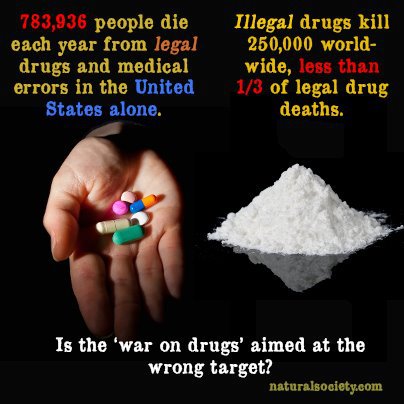
Diagnostic errors are just one type of error that occurs in the medical field, and you might be surprised at just how common errors occur. While the 1999 IOM report blamed 98,000 deaths a year on hospital errors, a 2013 study in the Journal of Patient Safety projected that medical errors now account for 210,000 to 440,000 US deaths annually.5

Even at 210,000, this makes medical errors the third-leading cause of death in the US, right after heart disease and cancer. And when you consider instances where medical errors cause some form of harm but not necessarily death, the incidence rate may be as high as 40,000 per day!6 These are frightening numbers that deserve immediate attention, as the researchers noted:

“In a sense, it does not matter whether the deaths of 100,000, 200,000, or 400,000 Americans each year are associated with PAEs [preventable adverse events] in hospitals. Any of the estimates demands assertive action on the part of providers, legislators, and people who will one day become patients.

Yet, the action and progress on patient safety is frustratingly slow; however, one must hope that the present, evidence-based estimate of 400,000+ deaths per year will foster an outcry for overdue changes and increased vigilance in medical care to address the problem of harm to patients who come to a hospital seeking only to be healed.”


Seniors May Be Particularly at Risk


Yet another study of more than 12,500 Medicare patients (with an average age of 76) found that nearly one in five suffer from medical injuries when receiving care.7 Injuries included:

  • Being given the wrong medicationd
  • Having an allergic reaction to a medication
  • Receiving treatment that led to more complications of an existing medical problem

Those who had experienced a medical injury had a death rate nearly double those who had not, along with greater use of medical services and increased health care costs in the year following the injury. While the media often focuses on medical injuries in hospitals, this study actually found that two-thirds of injuries occurred during outpatient care (such as doctor’s offices).

Previous studies have found about 13.5 percent of hospitalized patients suffer from adverse medical events, but the featured study found about 19 percent of seniors are harmed by medical care. Older people, men, those with lower incomes, and people with disabilities were at an even greater risk. Further, the risk of an adverse medical event rose 27 percent for each chronic medical condition a person had.8 The study’s lead researcher noted:

“These injuries are caused by the medical care or management rather than any underlying disease… The rate of these injuries is probably higher than has been estimated.”


What Medical Errors Should You Watch Out For?


Hospitals often make such egregious errors as treating the wrong patient, leaving behind surgical tools in a person after surgery, losing patients, or operating on the wrong body part. Air bubbles in your blood after a chest tube is removed, mix-ups involving medical tubing, and hospital-acquired infections are other examples of sometimes fatal medical errors that are all too common – and preventable.

Any time you’re in a health care setting, be sure to ask questions – double check the treatments you’re receiving, the dosages of medications, and the diagnosis you’re given – and if possible bring a family member or friend with you for an extra set of eyes and ears.

Further, be aware that more than 2 million people are affected by hospital-acquired infections each year, and a whopping 100,000 people die as a result. According to the 2011 Health Grades Hospital Quality in America report, analysis of approximately 40 million Medicare patients’ records from 2007 through 2009 showed that 1 in 9 patients developed such hospital-acquired infections!9 The saddest part is, most of these cases could likely have been easily prevented with better infection control in hospitals — simple routines such as doctors and nurses washing their hands between each patient, for example.

So make sure doctors, nurses, and other health care providers wash their hands before touching you; if you feel uncomfortable speaking up… realize that doing so could literally save your life.

One of the reasons I am so passionate about sharing the information on this site about healthy eating, exercise, and stress management is because it can help keep you OUT of the hospital and other health-care danger zones. You can use this site to find well-proven strategies that will address most chronic health problems.

Please remember you can always use the search engine at the top of every page on the site to review previous articles we have written. If you have an acute injury or life-threatening medical situation, of course you need to seek immediate competent care.


How to Stay Safe If You’re Hospitalized


Dr. Martin Makary is the author of The New York Times bestselling book Unaccountable: What Hospitals Won’t Tell You and How Transparency Can Revolutionize Healthcare, which is a story about the dangerous practices and mistakes of modern medicine. In the interview above, you can learn some important tips to stay safe if you find yourself in a hospital. Once you’re hospitalized, you’re immediately at risk for medical errors, so one of the best safeguards is to have someone there with you. Dr. Andrew Saul has also written an entire book on the issue of safeguarding your health while hospitalized.

One of the best suggestions is simply to have someone there to act as your personal advocate, or to take the time to stay with your loved one who is hospitalized. This is particularly important for pediatric patients and the elderly.

“Sometimes, we rely on a competent talking patient to help verify what we’re doing before we go in the operating room. But if we got somebody who’s not mentally coherent because they’re elderly or a kid and there’s no family member around, these are danger zones. These are high-risk areas for medical mistakes,”

Dr. Makary warns,“It’s important to ask what procedure’s being done or why is the procedure being done. ‘Can I talk to the doctor?’ You have a right to know about what’s being done to you or your loved one in the hospital. When you’ve got a kid in the hospital, I think it’s particularly important to ask the questions.”


For every medication given in the hospital, ask, “What is this medication? What is it for? What’s the dose?” Take notes. Ask questions. Building a relationship with the nurses can go a long way. Also, when they realize they’re going to be questioned, they’re more likely to go through that extra step of due diligence to make sure they’re getting it right — that’s human nature. Dr. Makary also co-developed a checklist for surgeons to use before surgery or any other hospital procedure.

Dr. Pronovost, who is Dr. Makary’s research partner, created a checklist in the ICU for patients who are in the intensive care unit. The World Health Organization (WHO) ended up taking an interest in their checklists and used some of their principles to develop the official World Health Organization checklist.

The WHO surgical safety checklist and implementation manual,10 which is part of the campaign “Safe Surgery Saves Lives” that Drs. Makary and Pronovost were a part of, can be downloaded here. If a loved one is in the hospital, print it out and bring it with you, as this can help you protect your family member or friend from preventable errors in care.


For more information about medical malpractice see http://nexusilluminati.blogspot.com/search/label/medical%20malpractice  
- Scroll down through ‘Older Posts’ at the end of each section


Do you LIKE this uniquely informative site?
Hours of effort by a genuinely incapacitated invalid are required every day to maintain, write, edit, research, illustrate, moderate and publish this website from a tiny cabin in a remote forest.
Now that most people use ad blockers and view these posts on phones and other mobile devices, sites like this earn an ever shrinking pittance from advertising sponsorship. This site needs your help.
Like what you see? Please give anything you can -  
Contribute any amount and receive at least one New Illuminati eBook!
(You can use a card securely if you don’t use Paypal)
Please click below -


And it costs nothing to share this post on Social Media!
Dare to care and share - YOU are our only advertisement!


For further enlightening information enter a word or phrase into the random synchronistic search box @ the top left of http://nexusilluminati.blogspot.com


And see


 New Illuminati on Facebook - https://www.facebook.com/the.new.illuminati

New Illuminati Youtube Channel -  https://www.youtube.com/user/newilluminati/playlists

New Illuminati’s OWN Youtube Videos -  
New Illuminati on Google+ @ For New Illuminati posts - https://plus.google.com/u/0/+RamAyana0/posts

New Illuminati on Twitter @ www.twitter.com/new_illuminati


New Illuminations –Art(icles) by R. Ayana @ http://newilluminations.blogspot.com

The Her(m)etic Hermit - http://hermetic.blog.com


DISGRUNTLED SITE ADMINS PLEASE NOTE –
We provide a live link to your original material on your site (and links via social networking services) - which raises your ranking on search engines and helps spread your info further!

This site is published under Creative Commons (Attribution) CopyRIGHT (unless an individual article or other item is declared otherwise by the copyright holder). Reproduction for non-profit use is permitted & encouraged - if you give attribution to the work & author and include all links in the original (along with this or a similar notice).

Feel free to make non-commercial hard (printed) or software copies or mirror sites - you never know how long something will stay glued to the web – but remember attribution!

If you like what you see, please send a donation (no amount is too small or too large) or leave a comment – and thanks for reading this far…

Live long and prosper! Together we can create the best of all possible worlds…


From the New Illuminati – http://nexusilluminati.blogspot.com

Tuesday, 9 September 2014

Medical Errors Major Cause of Death: Data on Serious Hospital Errors Will Now Be Withheld from the Public


Medical Errors Major Cause of Death
Data on Serious Hospital Errors Will Now Be Withheld from the Public

 https://fbexternal-a.akamaihd.net/safe_image.php?d=AQBHso9TWav3QRc4&w=470&h=246&url=http%3A%2F%2Fpatriotsbillboard.org%2Fwp-content%2Fuploads%2F2014%2F08%2Fdata-on-serious-hospital-errors.jpg&cfs=1&upscale


By Dr. Mercola


Harm and death caused by medical errors are a huge problem, and a major reason why the current, fatally flawed medical paradigm is in such desperate need of transformation.

Preventable medical mistakes are actually the third leading cause of death in the US, right after heart disease and cancer, claiming the lives of 210,000 Americans each year.

When you add in diagnostic errors, errors of omission, and failure to follow guidelines, the number skyrockets to an estimated 440,000 preventable hospital deaths each year.

According to the most recent estimates published last year,1 preventable medical mistakes account for about one-sixth of all deaths that occur in the US annually. This is more than 4.5 times higher than 1999 estimates.2

When you consider instances where medical errors cause some form of harm but not necessarily death, the incidence rate may be as high as 40,000 per day!3

As a general rule, staying out of the hospital is one of your best ways to prevent dying unnecessarily, and this is one of the reasons why I’m so passionate about sharing preventive health strategies with you -- tips like eating right, exercising, and reducing stress.

Exceptions would naturally include cases of accidental trauma or surgical emergencies. This is where modern medicine can be truly lifesaving.


Federal Government Ends Public Disclosure of Medical Errors

According to Dr. Marty Makary, a surgeon at The Johns Hopkins Hospital and author of the book Unaccountable: What Hospitals Won’t Tell You and How Transparency Can Revolutionize Healthcare, eliminating medical errors must become a national priority.

But rather than tackling the issue, the US federal government has quietly decided to “solve” the problem by burying it and shielding it from scrutiny... USA Today4 recently reported that:

“The federal government this month quietly stopped publicly reporting when hospitals leave foreign objects in patients' bodies or make a host of other life-threatening mistakes.

The change, which the Centers for Medicare and Medicaid Services (CMS) denied last year that it was making, means people are out of luck if they want to search which hospitals cause high rates of problems such as air embolisms... or giving people the wrong blood type.

CMS removed data on eight of these avoidable ‘hospital acquired conditions’ (HACs) on its hospital comparison site last summer but kept it on a public spreadsheet that could be accessed by quality researchers, patient-safety advocates and consumers savvy enough to translate it. As of this month, it's gone. Now researchers have to calculate their own rates using claims data.”


Low-Income Areas Are More Susceptible to Poor Medical Care Outcomes

Statistics show that some hospitals are far riskier than others, which is why removing data for certain avoidable hospital acquired conditions is a step in the wrong direction.

http://media.mercola.com/ImageServer/Public/2014/August/hospital.jpgOn the average, you have a 54 percent lower risk of dying in a five-star rated hospital compared to the national average. Hospitals catering primarily to Medicare patients tend to be among the worst.

For example, hospital-acquired infections affect one in 25 patients across the US,5, 6 but among Medicare patients, this statistic jumps to one in nine.7

According to HealthGrades,8 which provides quality ratings on nearly 5,000 American hospitals, more than 164,470 in hospital complications could potentially have been avoided had all Medicare recipients from 2008 through 2010 gone to top rated hospitals for their procedures.

A recent article in Endocrine Today9 notes that diabetics living in low income areas may be 10 times more likely to have their feet or legs amputated compared to diabetics living in more affluent areas.

According to Carl D. Stevens, MD, MPH, who investigated these correlations: “When you have diabetes, where you live directly relates to whether you’ll lose a limb to the disease.”


Hospital-Acquired Infections on the Rise

Hospitals have become particularly notorious for spreading lethal infections. In the United States, more than two million people are affected by hospital-acquired infections each year, and anywhere from 75,000 to 100,000 people die as a result. The most common hospital-acquired infections include:

  • Central line-associated bloodstream infections
  • Catheter-associated urinary tract infections
  • Surgical site infections after surgery
  • Clostridium difficile infections

Most of these cases could likely have been easily prevented with better infection control in hospitals—simple things such as doctors and nurses washing their hands between each patient, for example. Antibiotic overuse and inappropriate use also bears a heavy responsibility for creating this crisis. While antibiotics are certainly overprescribed in medicine, the largest source of antibiotic exposure is actually via your food.

Agriculture accounts for about 80 percent of all antibiotics used in the US. Tens of millions of pounds of antibiotics are administered to American livestock each year for purposes other than treating disease, such as making the animals grow bigger faster.

The antibiotic residues in meat and dairy, as well as the resistant bacteria, are then passed on to you in the foods you eat. As just one example, no less than 80 different antibiotics are allowed in cows’ milk. The CDC10 has previously concluded that as much as 22 percent of antibiotic-resistant illness in humans is in fact linked to food.


We’ve Shifted from Science Based Medicine to Science BIASED Medicine

How in the world did conventional medical treatments become one of the top three leading causes of death? A major part of the problem stems from the fact that we’ve made a rather dramatic shift AWAY from true science based medicine. Instead, what we have now is science biased medicine, and we’re reaping the results thereof.

John Ioannidis, author of the 2005 paper “Why Most Published Research Findings are False”11, 12 published in PLoS Medicine, is one of the world's most important experts on the credibility of medical research. He and his team of researchers have repeatedly shown that the majority of the conclusions biomedical researchers arrive at in their published studies are exaggerated or completely wrong.

Doctors use these studies—90 percent of which may be flawed or incorrect13—to prescribe drugs or recommend surgery. Is it any wonder then that American doctors kill at least 210,000 patients each year? With the odds stacked so sharply against a proper treatment, perhaps we’re lucky that the numbers aren’t even greater than that...


The Challenges of Science Bias

One of the first challenges you come across when trying to analyze the results of a study is to confirm that the study is free of any conflict of interest that would pervert the results and the meaning of the analysis. This means researching the author(s) of the study, its funders, and the motivations behind the design of the study. This is no easy task.

There’s also the problem of study findings being withheld and never published, simply because the results were not in favor of the treatment tested. The only real exception to this is researchers receiving grants from the federal government. They must register their trials on ClinicalTrials.gov, and they must publish their results regardless of the outcome.

Negative findings are just as critical as favorable findings. You may have twice as many negative findings as positive ones, but if only the positive ones (flawed or not) see the light of day, it will severely skew the overall “scientific basis” for the treatment. In essence, the treatment is based on scientific bias instead... Unfortunately, the vast majority of research is now being funded by industry, which has led to the systematic destruction of scientific integrity and validity.

Another factor that creates scientific bias is that the studies most likely to be published in the first place are those that oversell results that are considered important—results that oftentimes turn out to be false upon further investigation.14 Prestigious journals boast that they’re very selective, turning down the vast majority of submitted papers. The assumption is that they publish only the best scientific work. But Dr. Ioannidis' 2008 study, “Why Current Publication Practices May Distort Science,”15 showed that out of the nearly 50 papers published in leading journals (studies that had been cited by more than 1,000 other scientists -- in other words, well-regarded research) almost a third were refuted by other studies within the span of a few years.

According to a 2013 paper published in Mayo Clinic Proceedings,16 reversals of recommendations based on new information are common across all classes of medical practice. Over the past decade alone, 146 previously established practices, treatments, and procedures have been reversed. The question is, are established treatments being replaced by seriously flawed, science biased ones? It seems likely that this is playing a very large role as to why the death toll from medical mistakes keeps climbing.


More Recent Evidence Showing a Strong Trend Toward Bias in Medical Research

In a recent article, Dr. Robert Pearl, MD brings up even more evidence showing that scientific bias is now par the course in modern medicine:17

  • The 2012 report by the Cochrane Library, “Industry Sponsorship and Research Outcome,”18 concluded that industry-funded studies resulted in “more favorable results and conclusions” about the sponsored product compared to studies funded by independent parties.

  • Earlier this year, Harvard Medical School published a study19 assessing the impact of conflicts of interest in plastic surgery. According to the authors: “Studies authored by groups with conflicts of interest are significantly associated with reporting lower surgical complications and therefore describing positive research findings.”

  • Another recent study20 investigating the impact of conflicts of interest in wound therapy research also found that studies funded by a manufacturer were extraordinarily likely to be in favor of the sponsored product. The study looked at 24 peer-reviewed papers published in highly respected medical journals. Nineteen of them were funded by a manufacturer of one of two devices, and 18 of those manufacturer-funded studies ended up favoring the device made by the funding manufacturer; only one study came to a “neutral” conclusion.

As noted by Dr. Pearl:21 “From a statistical perspective, this is nearly an impossible outcome. Flip a coin 19 times and there’s a 1 in 524,288 chance it comes up heads each time. We might expect that if the two alternative products were relatively equivalent and the research truly unbiased, the product sold by the non-funding company should come out on top about half the time. To have no study go against the funding company yields nearly impossible odds. And if they are not equivalent, the better product should be identified in nearly all studies, regardless of the source of the researcher’s funding. There is no way to interpret these results, except to assume the researchers themselves were biased based on who paid for their work.”

The question is, how do we prevent this kind of bias from corrupting science? One solution is to shift the burden of financing research back onto the government. As noted by Dr. Pearl, adding a small fee to the sales price of drugs and medical devices could also be used to fund independent research. Another solution suggested in Dr. Pearl’s article could be for peer-reviewed journals to refuse to publish studies funded by one single company. By forcing competitors to fund joint research projects should theoretically promote more unbiased conclusions.


http://reprog.iblogger.org/myimgs/bigpharma.jpg


Hospitals Can Be Hazardous to Your Health in Multiple Ways

From my perspective, checking yourself into a hospital should be an option of last resort, when you have exhausted all others (barring an actual life-threatening emergency) and likely facing a potential fatal outcome if you don’t go into the hospital. Medical mistakes and potentially life-threatening infections are not the only risks you take when checking yourself into the hospital. They’re also notorious for giving you the wrong solution for your problem. Drugs and surgery, for example, are both widely overused options that can cause far more problems than they solve.

If a hospital stay is necessary, you would do well to heed the advice of Dr. Andrew Saul, co-author of the book Hospitals and Health: Your Orthomolecular Guide to a Shorter Hospital Stay.22 He suggests making sure you bring a personal advocate with you—a relative or friend who can speak up for you and ensure you’re given proper care if you are too incapacitated to do so yourself.


Help for Victims of Preventable Medical Errors

If you or a loved one find yourself a victim of a preventable medical mistake, you’re advised to start out by writing a letter or calling the patient relations department, which every hospital is mandated to have. If you’re still dissatisfied, write a letter to the hospital’s general council (attorney). You can also connect with patient communities such as:

  • Citizens for Patient Safety23
  • ProPublica Patient Harm24


http://www.whale.to/a/165971_10151308778242589_1882356283_n.jpg


Basic Tenets of Optimal Health

All in all, leading a common-sense, healthy lifestyle is your best bet to avoid unnecessary hospital visits. I believe there are certain basic tenets of optimal health that remain valid no matter what science decides to come up with next. Following these healthy lifestyle guidelines can go a very long way toward keeping you well and prevent chronic disease of all kinds:

1.     Proper Food Choices: For a comprehensive guide on which foods to eat and which to avoid, see my nutrition plan. Generally speaking, you should be looking to focus your diet on whole, ideally organic, unprocessed foods. Avoid sugar, and fructose in particular. All forms of sugar have toxic effects when consumed in excess, and drive multiple disease processes in your body, not the least of which is insulin resistance, a major cause of chronic disease and accelerated aging. I believe the two primary keys for successful weight management are severely restricting carbohydrates (sugars, fructose, and grains) in your diet, and increasing healthy fat consumption. This will optimize insulin and leptin levels, which is key for maintaining a healthy weight and optimal health.

2.     Regular exercise: To make your exercise as effective as possible, make sure you include high-intensity activities into your rotation. High-intensity interval-type training boosts human growth hormone (HGH) production, which is essential for optimal health, strength, and vigor. HGH also helps boost weight loss.

3.     Stress Reduction: You cannot be optimally healthy if you avoid addressing the emotional component of your health and longevity, as your emotional state plays a role in nearly every physical disease -- from heart disease and depression, to arthritis and cancer. Meditation, prayer, social support, and exercise are all viable options that can help you maintain emotional and mental equilibrium. I also strongly believe in using simple tools such as the Emotional Freedom Technique (EFT) to address deeper, oftentimes hidden, emotional problems.

4.     Drink plenty of pure water

5.     Maintain a healthy gut: About 80 percent of your immune system resides in your gut, and research is stacking up showing that probiotics—beneficial bacteria—affect your health in a myriad of ways; it can even influence your ability to lose weight. Regularly consuming traditionally fermented foods is the easiest, most cost effective way to ensure optimal gut flora

6.     Optimize your vitamin D levels: Research has shown that increasing your vitamin D levels can reduce your risk of death from ALL causes. Sensible sun exposure is the ideal way to optimize your level.

7.     Avoid as many chemicals, toxins, and pollutants as possible: This includes tossing out your toxic household cleaners, soaps, personal hygiene products, air fresheners, bug sprays, lawn pesticides, and insecticides, just to name a few, and replacing them with non-toxic alternatives.

8.     Get plenty of high-quality sleep: Regularly catching only a few hours of sleep can hinder metabolism and hormone production in a way that is similar to the effects of aging and the early stages of diabetes. Chronic sleep loss may speed the onset or increase the severity of age-related conditions such as type 2 diabetes, high blood pressure, obesity, and memory loss.


From Mercola @ http://articles.mercola.com/sites/articles/archive/2014/08/20/medical-errors-public-disclosure.aspx  

For more information about death by doctoring see http://nexusilluminati.blogspot.com/search/label/medical%20malpractice
- Scroll down through ‘Older Posts’ at the end of each section


Hope you like this not for profit site -
It takes hours of work every day by a genuinely incapacitated invalid to maintain, write, edit, research, illustrate and publish this website from a tiny cabin in a remote forest
Like what we do? Please give enough for a meal if you can -  
Contribute any amount and receive at least one New Illuminati eBook!
Please click below -


Xtra Images – http://reprog.iblogger.org/myimgs/bigpharma.jpg
http://www.whale.to/a/165971_10151308778242589_1882356283_n.jpg

Video - https://www.youtube.com/watch?feature=player_embedded&v=KxUfPBhipLA


For further enlightening information enter a word or phrase into the random synchronistic search box @ the top left of http://nexusilluminati.blogspot.com


And see


 New Illuminati on Facebook - https://www.facebook.com/the.new.illuminati

New Illuminati Youtube Channel - http://www.youtube.com/user/newilluminati/feed


New Illuminati on Twitter @ www.twitter.com/new_illuminati


New Illuminations –Art(icles) by R. Ayana @ http://newilluminations.blogspot.com

The Her(m)etic Hermit - http://hermetic.blog.com


The Prince of Centraxis - http://centraxis.blogspot.com (Be Aware! This link leads to implicate & xplicit concepts & images!)


DISGRUNTLED SITE ADMINS PLEASE NOTE –
We provide a live link to your original material on your site (and links via social networking services) - which raises your ranking on search engines and helps spread your info further! This site is published under Creative Commons Fair Use Copyright (unless an individual article or other item is declared otherwise by the copyright holder). Reproduction for non-profit use is permitted & encouraged,  - if you give attribution to the work & author. Please include a (preferably active) link to the original (along with this or a similar notice).

Feel free to make non-commercial hard (printed) or software copies or mirror sites - you never know how long something will stay glued to the web – but remember attribution!

If you like what you see, please send a donation (no amount is too small or too large) or leave a comment – and thanks for reading this far…

Live long and prosper! Together we can create the best of all possible worlds…


From the New Illuminati – http://nexusilluminati.blogspot.com