Power Is Power
Why is plenty of energy never enough?

Many conscientious people all over the planet have decided to take responsibility for the power they consume and employ. Many have come to realise a truth apparent to power mongers ever since the industrious revolutions spawned by the last uplifting Enlightenment - that electrical power is economic and political power, and those with the ability to produce and harness energy hold the keys to all modern Earthly kingdoms.
The focused application of energy makes all forms of slavery redundant – including wage slavery. Energy leaks through the world like water through a sieve, and we attempt to catch the deluge with devices little more advanced than paper cups. Even if we merely employ simplistic pre-millennial technologies like solar cells and wind turbines there’s far more than enough energy to go around.
If centralised power systems (of all kinds) are allowed to fade into the shadow of the new distributed network of ‘free’ energy devices - a plethora of which have already been developed and patented - renewable and ‘free’ energy technologies will make free electrical and automotive power easily attainable by everyone.
All over the world, rooftops are sprouting arrays of electricity-producing cells and coastlines and hilltops are slowly being utilised for clean wind, wave and tidal generators to feed famished and overstretched grid systems. This is the beginning of the end for the old monopolist power mongers and their subordinate coterie of toxic war-based industries.
Yet even when environmentally aware people install a large array of solar electric panels on their rooves, the many kilowatt-hours attained by use of solar cells don’t seem to provide enough energy to run a family home. This is an artefact of old-style distribution networks emanating from a centralised source and the industries that evolved with them, all of which are very poorly equipped to use local power supplies efficiently.
Drawing on thirty years’ experience with various arrays of solar cells, we hippy dwellers in the remote bush have never had to contend with supplying power to a 240 or 120 volt national grid. A few panels have always been more than enough to provide for our needs – if we don’t make the mistake of trying to use appliances designed for mains power. Most of these devices are hopelessly wasteful instruments which are literally designed to burn electricity and convert it to heat – a good little money earner for the power station and grid owners of yesteryear!
The unfortunate truth is that most of the electricity generated at power stations is lost in transmission down antiquated metal wires. The fraction that arrives at your home is an unnecessarily high voltage current which must be stepped down – transformed - to run almost all of your gadgets or appliances. Almost all of your equipment runs on less than twenty-four volts, and the rest of the power is ‘transformed’ to make it usable to your equipment.
The transformers in your appliances literally burn off all the ‘excess’ power as wasted heat; such is the legacy of primitive technological fixes and transmission systems, which were primarily designed to make political compromises more than a century ago, when electrical transmission was in its infancy. Alternative and more efficient systems have been systematically crushed by industrialists and financiers with invested interests in electrical and other power monopolies ever since.
If you connect the average recommended array of solar panels (or other generating equipment) up in a low voltage system, you’ll easily have enough energy to power your needs and you won’t need to use unstable inverters (power converters which burn large amounts of DC current to produce small amounts of AC power) at all; truly wasteful technologies like outdated high-consumption refrigeration and laundry appliances will be unusable exceptions to this rule, but they can easily be replaced with more sensible alternatives.
The real issue isn’t whether we can produce enough energy, but whether we can store it in something less toxic and short-lived than even the most up-to-date crop of battery technologies can provide. There are many solutions to this conundrum (including solar-thermal systems), but few are yet available on a domestic scale. Using Brown’s Gas (Hydroxy) to store power is one method; storing water at a height is a simpler idea for most people to grasp. *
Creating a low-voltage dwelling means your electrical supply is non-lethal and you can easily and legally construct your entire power system yourself. You don’t need to pay an electrician for much (or even any) of the work - but it may be wise to have a knowledgeable person take a good look at your particular design before you throw the ‘on’ switch.
A low voltage system is easy to work with; a simple knowledge of basic electrical theory and components is all that’s required. Just as with a car (or dry cell) battery, there’s just one wire in, and one wire out; a few diodes, fuses and simple cheap regulators are all you’ll need to come to grips with, and many parts, components and even appliances can be cannibalised from old cars or other low-voltage vehicles for free – or you can buy them as spare car parts from recycler/wreckers.
If low voltage free energy systems can work out here in the bush, they can certainly work in the burbs. Creating a new flexible civilization with a distributed network of electrical generating systems is a very good idea. Selling excess power to the grid is far more viable if you aren’t burning off ninety percent of your power as wasted heat - whether or not you’re paying for it. But as we discover way out in the wilds, when the grid goes down – as it often does – only those with stand-alone power systems have any power at all.
Storing power for your own needs – or accessing a continuous supply of energy, like a permanent running river or the electromagnetic field of the planet itself – is the optimal solution to one’s electrical requirements, whether or not we’re connected to the local grid.

Yes We Can
The most recent studies of clean power generators and efficient transmission systems assure us that the entire world’s base and peak load power needs can be provided by a few relatively small areas devoted to wind generators or advanced solar power stations. There’s no need to continue polluting the planet at all.
The reason we use oil, coal, gas and nuclear steam engines (that’s all our laughable so-called ‘hi-tech’ nuclear power plants really are) is not just because the people that really rule our societies are a bunch of misanthropic misfits without an ounce of vision beyond the blinkered view of medieval potentates. It isn’t solely due to the fact that these power mongers who have consistently and ruthlessly suppressed and smothered all significant breakthroughs for more than a century are devoid of true generosity or compassion.
It’s not just that many visionary researchers have been jailed or killed or ruthlessly oppressed, although such happenings have been surprisingly commonplace; the man who disappeared after running a car on water is not an urban myth, but a recurrent theme in the absurdist theatre of true life on this planet of carefully domesticated purblind primates.
Nonetheless, there are many patented methods for procuring ‘free’ energy, and many are easily explicable to the layman (see link below), regardless of what your school science teacher thinks or thought. We also have many alternatives that can be easily adopted and assimilated by our current levels of technical knowledge - systems that lie well within the realms of today’s workaday technological expertise.
Power Driving
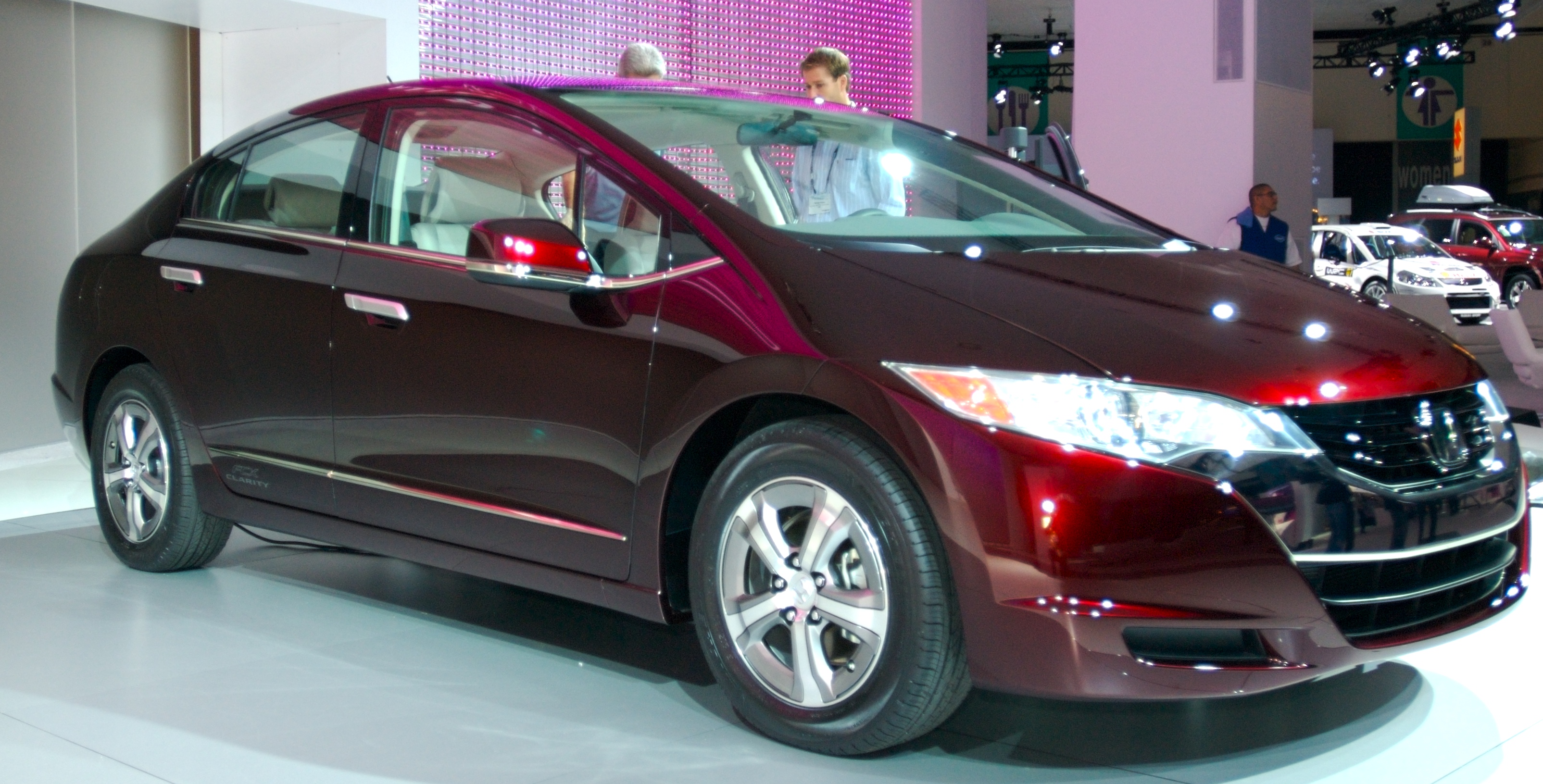
It’s been many years since the visionaries at the Rocky Mountains Institute inaugurated a new perspective on energy with their introduction of the Hypercar concept. Releasing the design for a new hydrogen energy cell powered, co-generational hybrid vehicle into the public domain via the fledgling internet, these change agents created a system which was subsequently subverted by different manufacturers, who released various hybrid vehicles using conventional toxic fuels instead of hydrogen.
Hydrogen is far easier and cheaper to produce than the power mongers would have us believe. One clue to the reality of the situation is that one litre of water can produce more than a thousand litres of usable gas. The ratio is close to 1,300:1. Ecologically laudable as the latest generation of hybrids on today’s market may appear, the Hypercar concept had an overarching aim that extended beyond the provision of a world vehicle fleet which uses non-polluting fuel. Hydrogen energy cell powered vehicles are designed to be plugged into a socket when they reach their destination – not to recharge their batteries, but to provide power to the house or grid.
A Hypercar can power your house, or at very least feed lots of excess power into the grid; it’s both generator and storage system combined in one portable unit. The Hypercar generates so much excess power that a national fleet of such vehicles could power entire cities with no need for additional ‘conventional’ power generators at all! And they could power any number of remotely placed dwellings or facilities.
The first primitive instance of this system being applied occurred during a recent blackout in North America, when a Prius owner discovered that they could power the UPS that operated many of the appliances in their house by simply plugging it into their hybrid. He literally plugged the car directly into the power regulator (which many consumers use to safeguard their computers) and powered all his necessary appliances.
How much longer will we continue to tolerate the lies of headless dinosaurs who put momentary profits before life itself? How long until we realise we can provide almost everything we need for ourselves? All the tools we require to create a paradisiacal civilization that is truly civilized are already within our grasp. It’s high time we created a world far closer to the dreams of visionaries. Don’t wait for someone else to do it – the New Age is a DIY dream – or nightmare - come true; it all depends on which way you train yourself to jump. The choice is up to you.
We can create a much greater New Millennium if we devote our time to the things we believe in, instead of pushing treadmills to nowhere in an endless rat race.
Turn on. Tune in. Opt out.
- R.A.
PS – This article was written on a laptop powered by a solar panel in a fairly remote rainforest.
For far more on Free Energy see http://nexusilluminati.blogspot.com/search/label/free%20energy
Images - http://solarenergyprojects.com/common/imagelib/index.htm/793_420_280_crop_ca417.jpg
http://climateprogress.org/wp-content/uploads/2007/10/simpsons.jpg
For further enlightenment enter a word or phrase into the search box @ New Illuminati:
@ http://nexusilluminati.blogspot.com (or click on any tag at the bottom of the page for direct references)
or @ http://newilluminati.blog-city.com (this one only works with Firefox)
And see
The Her(m)etic Hermit - http://hermetic.blog.com
New Illuminati – http://nexusilluminati.blogspot.com
New Illuminati on Facebook - http://www.facebook.com/pages/New-Illuminati/320674219559
This material is published under Creative Commons Copyright (unless an individual item is declared otherwise by copyright holder) – reproduction for non-profit use is permitted & encouraged, if you give attribution to the work & author - and please include a (preferably active) link to the original along with this notice. Feel free to make non-commercial hard (printed) or software copies or mirror sites - you never know how long something will stay glued to the web – but remember attribution! If you like what you see, please send a tiny donation or leave a comment – and thanks for reading this far…
From the New Illuminati – http://nexusilluminati.blogspot.com